How Long Does Post-Sports Massage Soreness Last?

Sports massage is a valuable tool for athletes and active individuals, providing targeted therapy to aid in muscle recovery, injury prevention, and performance enhancement. After a sports massage session, it's common to experience some level of soreness. This post-massage soreness is a natural response to the manipulation of soft tissues during the treatment. In this article, we will delve into the factors that contribute to post-sports massage soreness and explore the typical duration of this discomfort. By understanding the recovery process, athletes can better manage their expectations, optimize their recovery, and make informed decisions about their training and competition schedules.
I. Understanding Post-Massage Soreness
A. Causes of Post-Sports Massage Soreness:
Soft Tissue Manipulation:
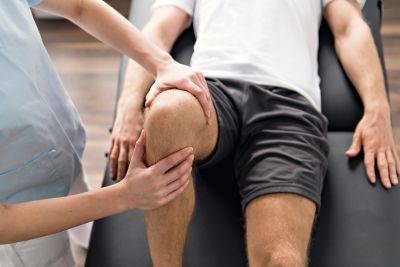
The therapist applies various techniques, such as deep tissue work, stretching, and trigger point therapy, to address specific areas of tension or dysfunction. This can lead to temporary muscle soreness.
Increased Blood Flow:
Sports massage improves blood circulation, delivering oxygen and nutrients to muscles while flushing out metabolic waste. This increased circulation can contribute to soreness.
Release of Tension and Toxins:
The manipulation of muscles and connective tissues releases tension and toxins, which can temporarily contribute to post-massage discomfort.
B. Difference Between Post-Massage Soreness and Pain:
Post-massage soreness is a natural response to therapeutic manipulation and is generally mild to moderate in intensity. It should not be confused with acute or chronic pain, which may indicate an underlying injury or condition requiring further evaluation.
C. Individual Variations:
Every individual responds differently to sports massage. Factors such as pain tolerance, overall physical condition, hydration levels, and the extent of the massage can influence the duration and intensity of post-massage soreness.
II. Duration of Post-Sports Massage Soreness
A. Immediate and Short-Term Soreness:
Immediate soreness:
It is common to experience immediate soreness after a sports massage, particularly in areas that received deep tissue work or trigger point therapy. This soreness typically lasts for a few hours to a day.
Short-term soreness:
The intensity of soreness may peak within 24 to 48 hours after the massage and gradually subside over the next few days. This soreness is similar to the muscle soreness experienced after a challenging workout and is referred to as delayed onset muscle soreness (DOMS).
B. Factors Affecting Soreness Duration:
Treatment Intensity:
The depth and intensity of the sports massage session can impact the degree and duration of soreness. More aggressive or focused treatments may result in more significant soreness.
Individual Response:
Each person's body reacts differently to sports massage, and the duration of post-massage soreness can vary based on factors such as physical condition, prior injuries, and overall muscle health.
Hydration and Recovery Practices:
Proper hydration, adequate rest, and other recovery practices, such as foam rolling and gentle stretching, can help minimize the duration and intensity of post-massage soreness.
C. Long-Term Benefits and Recovery:
The soreness experienced after a sports massage is a sign that the body is undergoing positive changes and adaptations. Over time, as the body adjusts and recovers, soreness decreases and gives way to improved mobility, reduced muscle tension, and enhanced performance.
To optimize recovery and reduce soreness duration, it's essential to prioritize rest, hydration, and proper nutrition while allowing the body time to adapt and heal.
III. Strategies to Manage Post-Sports Massage Soreness
A. Communication with the Massage Therapist:
Communicating your needs, expectations, and any concerns with the massage therapist can help ensure that the treatment is tailored to your specific requirements, potentially reducing post-massage soreness.
B. Hydration and Nutrition:
Staying well-hydrated and consuming a balanced diet, rich in nutrients, can support the body's recovery process, minimizing the duration and intensity of post-massage soreness.
C. Active Recovery Techniques:
Gentle stretching, light exercise, and foam rolling can aid in muscle recovery, reduce stiffness, and alleviate post-massage soreness. These activities promote blood flow, flush out toxins, and enhance tissue healing.
D. Gradual Return to Physical Activity:
It's important to allow the body time to recover before resuming intense training or competition. Gradually reintroducing physical activity can help prevent further muscle soreness or injury.
Conclusion:
Post-sports massage soreness is a natural and temporary response to therapeutic manipulation of soft tissues. While the duration and intensity of soreness can vary among individuals, it typically lasts for a few hours to a few days. Understanding the causes and recovery process of post-massage soreness empowers athletes to manage their expectations and optimize their recovery strategies. By incorporating proper hydration, nutrition, active recovery techniques, and gradual return to physical activity, athletes can effectively navigate post-sports massage soreness, ensuring a smoother recovery and reaping the full benefits of this valuable therapeutic modality.