Physiotherapy, Chiropractic, Osteopathy; which should I choose?
‘What is the difference between chiropractors, osteopaths and physiotherapists?’ is a commonly asked question
between those suffering from severe pain and seeking help from alternative healthcare professionals.
Let us introduce you to the differences and the indeed very important similarities of these three professions and
their treatments.
Similarities
Each of these three primary healthcare professions uses orthopaedic and neurological examination skills to map
and diagnose their patients' emerging problems with their joints, bones, soft tissue, muscles or nerves. These
examination techniques are vastly similar to those techniques used by other, traditional medical practitioners.
Chiropractors, osteopaths and physiotherapists will all teach their patients a variety of carefully chosen and
useful exercises to be practiced in the comfort of their home, to support their pain-care between treatment
sessions.
Before anyone can become a registered chiropractor, osteopath or physiotherapist, they will have to complete
years of specialized study at specific universities teaching these alternative medical treatments. All three
professions are regulated by law and practitioners have to be registered with their regulatory bodies. Therefore,
any patients choosing to visit one of these professionals can be sure they will receive a standard of care and
treatment.
Chiropractic
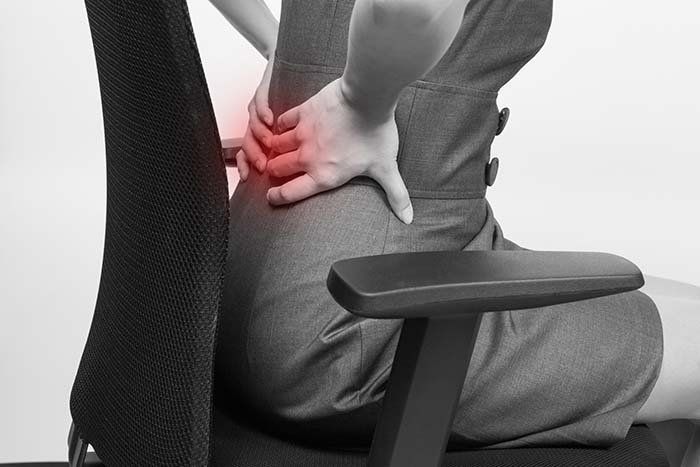
Chiropractors mostly treat pain related problems – especially related to the back, limbs or spine – using
manipulation and adjustment of the free joints. These specific adjustments are fast and strong manual techniques
that take the joints being treated to the end of their available range of motion.
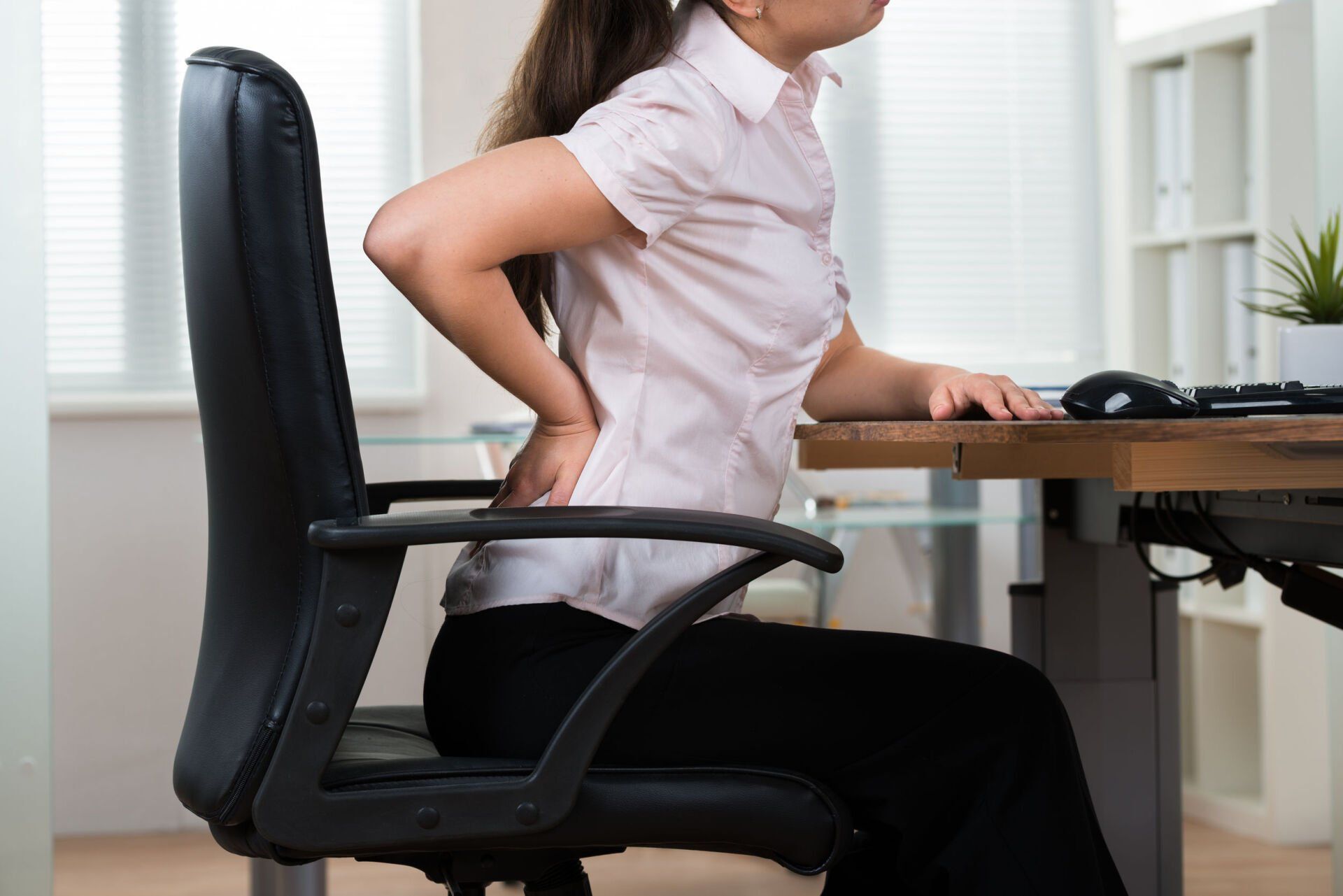
Patients with neuro-musculoskeletal disorders related to accidents, stress, inactivity, poor posture or specific
illnesses, as well as patients with joints in the spine or limbs that are not moving correctly are highly
recommended to visit a chiropractor.
Osteopathy
Osteopathy is a form of drug-free, manual medicine as well. Traditionally, osteopathy believes that most health
problems – physical and even certain mental ones – are related to problems in the musculoskeletal system, and
to specific structural or functional dysfunctions of the body. Therefore osteopathic treatments aim to provide a
complete, whole-person health to individuals by treating, massaging and strengthening the musculoskeletal
framework, soft and deep tissues.
They generally apply less forceful manual techniques than chiropractors.
Although most patients seek help (treatments/osteopathy.html) from osteopaths with sore back or neck pain,
other problems that can highly benefit from osteopathy include headaches, ankle and foot pain, sciatica, shin
splints, asthma, whiplash, postural problems, chronic menstrual pain or depression. However, patients with
broken bone or dislocation, bone cancer, a bone or joint infection, rheumatoid arthritis of the neck, or
osteoporosis should strictly avoid osteopathic treatments. Read more about osteopathyhere (news/pan-outabout-
osteophaty.html).
Physiotherapy
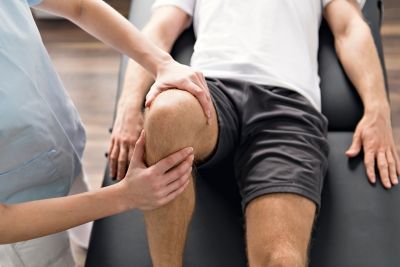
Physiotherapy, just like osteopathy, takes a whole-person approach to health and wellbeing, which includes the
patient’s general lifestyle too. Physiotherapists will help their patients affected by injury, illness or disability
through movement, exercise, and manual therapy.
However, education and advice make crucial parts of physiotherapeutictreatments (treatments/physio-therapy-inec4.
html) too. Those seeing physiotherapists can always expect general advice about things that can affect the
daily life – such as posture and ways of prevent injuries, – about lifestyle or even about appropriate diet.
Physiotherapy is primarily aimed to treat long-term problems, such as chronic back pain or asthma, without long,
expensive and often drug-based treatments. Physiotherapy is also proven to help preparing for childbirth, and it
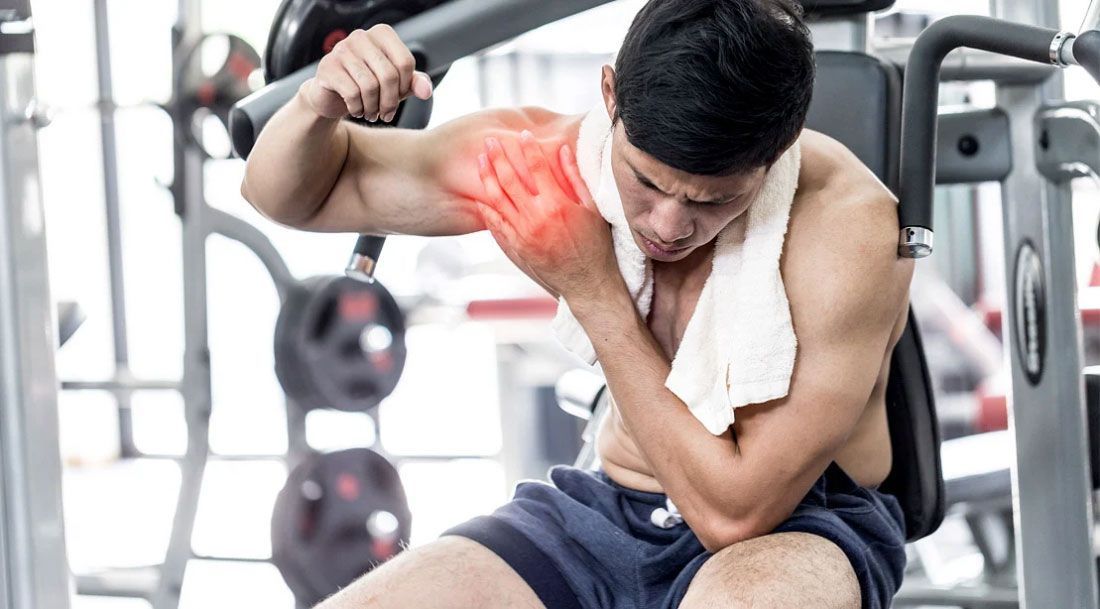
quickens the rehabilitation of sport-related injuries. Physiotherapy is the most common and favourable approach
in sports medicine and is widely used to help rehabilitation after serious accidents and injuries. Read more about
the most common conditions treated by physiotherapyhere (news/physiotherapy-the-naturopath.html).