Ruptured Achilles tendon ‑ The process of rehabbing one of the most detrimental sports injuries

Tendons are long, tough cords of tissue that connect muscle to bone. The Achilles tendon is the strongest of
them. It is located in the back of the foot and connects your heel bone to your calf muscle. It helps you to walk,
run and jump. The Achilles tendon is able to endure stress, but sometimes injury can occur to the tendon when
overly stressed. It can take a long time to repair if damaged.
Symptoms of Achilles tendon rupture
The overuse of the Achilles tendon might cause a severe and disabling injury. A rupture usually takes place a
couple of inches above the joining of the tendon and the heel bone. This typically occurs when someone
contracts, or tightens the calf muscle and suddenly pushes off the foot, such as in basketball, racquet sports,
during running or dancing. The injured person experiences pain, swelling, and an inability to stand on their
tiptoes.
Symptoms of Achilles tendon rupture include a sudden sharp pain in the Achilles tendon. Sometimes though, you
may not feel pain at the time of the tear but later on or the next day when the tendon has cooled down and
stiffened up. When returning to exercise after a short period of rest, there may be a sharp pain which disappears
when warmed up only to return when stopped. Unfortunately, the Achilles tendon has relatively poor blood supply
and therefore it is hard to keep it flexible. This might be the main explanation for its top position among sports
injuries ( http://www.physio-medicine.co.uk/news/sport-injuries.html).
You really feel the symptoms of an injured Achilles tendon when your lifestyle choices are forced to change.
Hiking, running, dancing and all manner of other physical activities requiring standing and weight bearing become
more than the challenge you bargained for and this type of injury rarely completely heals by itself. If that is not
bad enough, nodules or lumps might start appearing above the heel in your Achilles tendon. It looks like it is time
to get help.
Treatments for Achilles tendon rupture
There are two methods for treating the rupture: a surgical and a non-surgical. As an immediate first aid, applying
ice or cold as soon as possible can help to reduce pain, swelling and inflammation. A proper diagnosis is
essential because if the injury is left longer than two days then the chances of a successful outcome may
drastically decrease. In less serious cases the leg is put in a cast and allowed to heal without surgery, using only
painkillers, physiotherapy, stretches and a heel lift.
If the rupture is a complete Achilles tendon rupture then immediate surgery is usually indicated. The ruptured
tendon is sewn together during surgery. Afterward physiotherapy and a full rehabilitation program is necessary. In
about 4 to 6 months, healing is nearly complete.
In case of rupture, you should allow the tendon to heal properly. The second phase of rehab is restoring the
tendon and muscles to their original flexibility and strength. The speed at which you can progress with the
rehabilitation exercises will vary and should at all times be done under the supervision of our qualified
professionals. At the end of the process you can gradually return to normal activity and training levels.
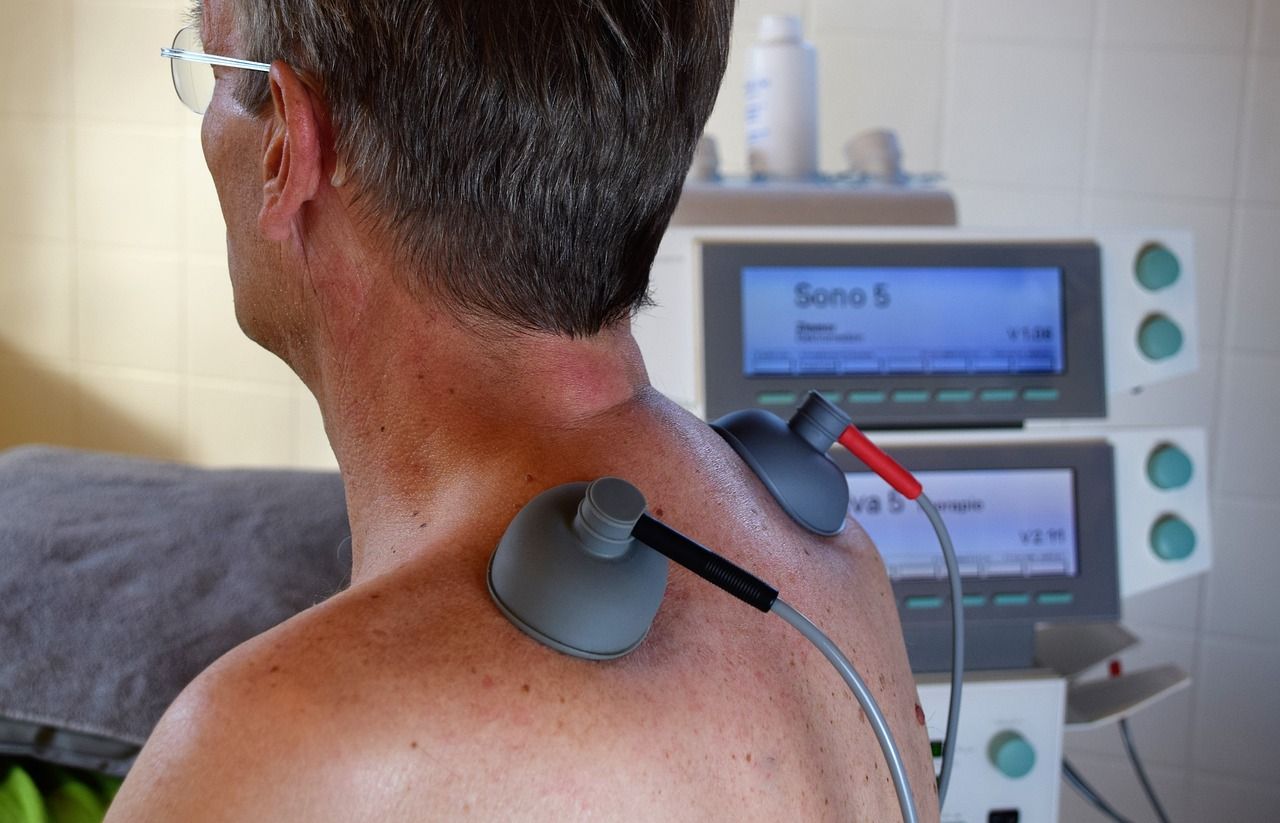
At PhysioMedicine, traditional Chinese medicine is used to facilitate recovery from Achilles tendon injuries. While
the Achilles tendon is known to heal very slowly because of the amount of pressure and use on a daily basis,
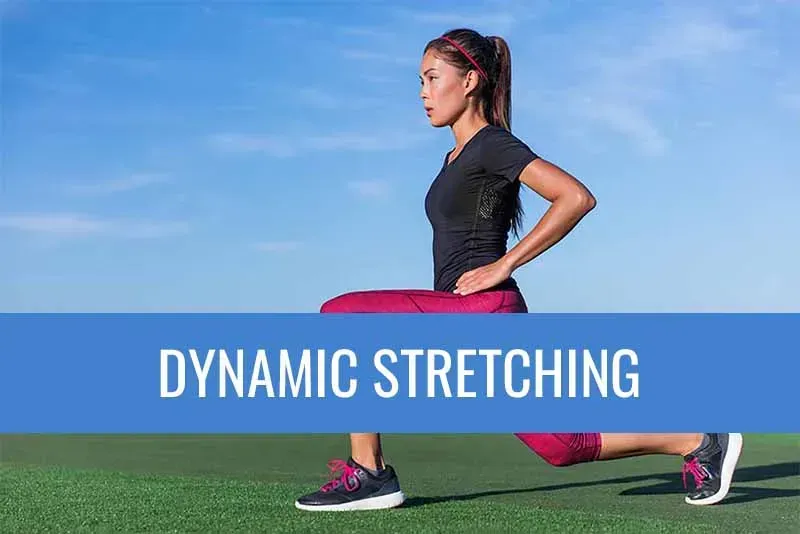
following the beliefs of traditional Chinese medicine gentle stretching and different massage techniques can help
break down scar tissue, swelling, stimulate blood flow and therefore encourage the body’s self-healing process.
Sports massage can also be beneficial in the later stages of rehab, although professional advice should be
sought as to the timing. A complete Achilles tendon rupture treated with surgery may benefit from Achilles
massage from around week 8 of the rehab programme. Calf massage techniques should also be used to stretch
and relax the affected muscles. Currently we have a special offer for you: call us now ( http://www.physiomedicine.
co.uk/offers/sports-massage.html) to get 10% off your first sports massage!
PhysioMedicine offers the experience of certified physiotherapists to treat Achilles injuries. We want to help you
get pain free and start training, running and living again! Book you appointment now ( http://www.physiomedicine.
co.uk/book-appointment.html), do not let your Achilles injury be your downfall!